IF IT GOES ... IT'S VEHICULAR
Diesel Fuel Filter Change: Why It Matters More Than You Think
If you came from a gasoline vehicle, you probably never thought about the fuel filter. Most modern gas engines have a fuel filter that either lasts the life of the vehicle or gets changed somewhere around 60,000 miles as part of a larger service. It is not something that crosses your mind at every oil change. Diesel is different, and if you are new to diesel ownership, this is one of the first things you need to recalibrate.
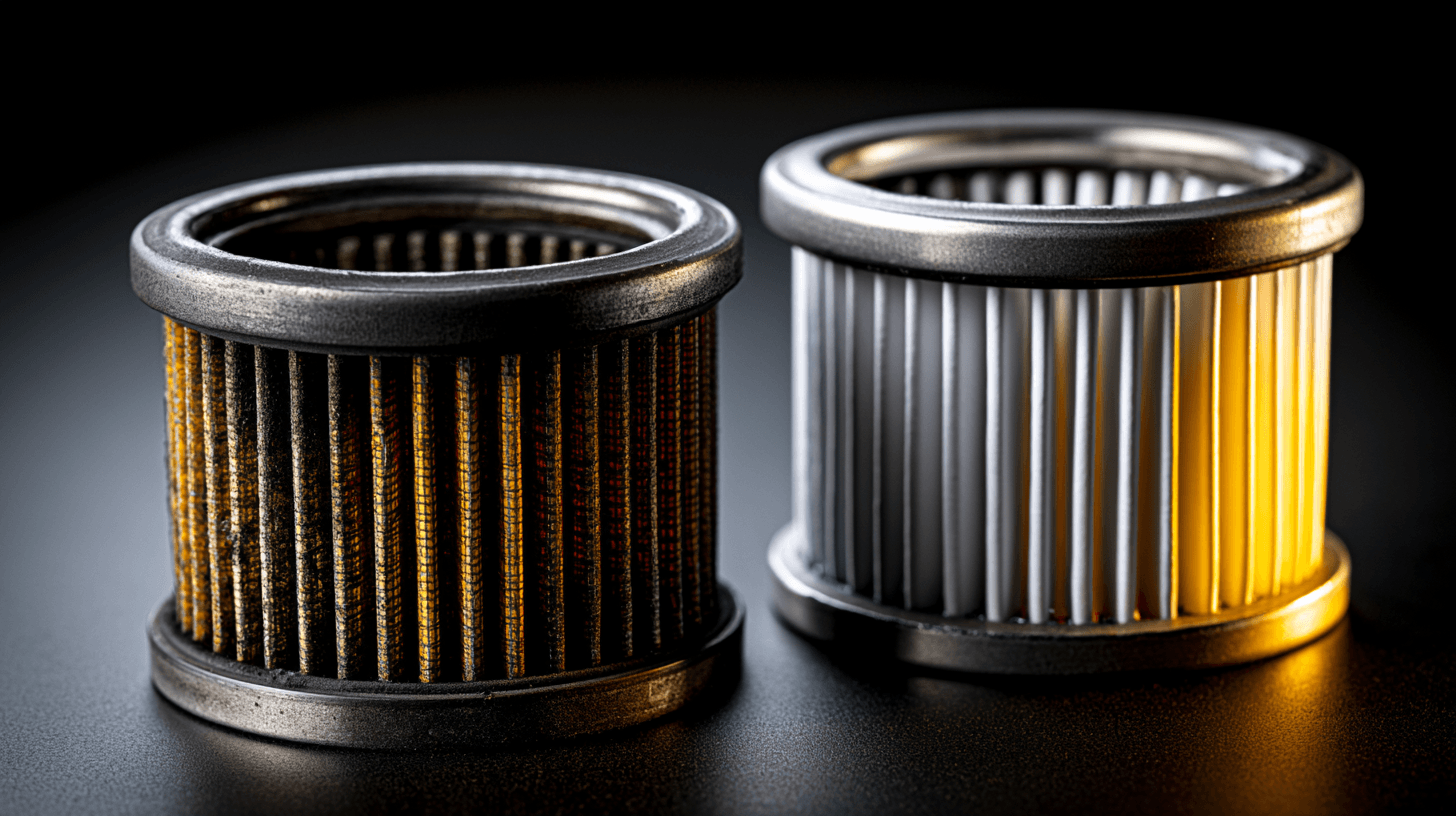
A diesel fuel filter change is not optional maintenance. It is protection for some of the most expensive components in your truck, and skipping it or pushing it past its interval is a decision that tends to announce itself at the worst possible time.
Why Diesel Engines Need Frequent Filter Changes
Diesel fuel is not as clean as it looks coming out of the pump. It picks up contaminants throughout the supply chain, from the refinery to the distribution terminal to the underground storage tank at your local station. Water contamination is common, microbial growth happens in tanks that sit, and particulate contamination is present in virtually every fuel supply to some degree.
In an older diesel with a mechanical injection system, the tolerances are loose enough that minor contamination passes through without causing immediate damage. In a modern common-rail diesel like the 3.0L Duramax in my 2026 GMC Sierra, the injection system operates at pressures exceeding 30,000 PSI with injector tolerances measured in microns. That system is genuinely sensitive to fuel quality in a way that older diesels were not. A clogged or degraded fuel filter starves that system of clean fuel and puts the high-pressure fuel pump and injectors at risk. Running a quality diesel fuel additive helps protect the injection system between filter changes, but it is not a substitute for the filter itself.
The fuel filter is the last line of defense between whatever is in the tank and a fuel pump and injector set that costs several thousand dollars to replace.
How Often to Do a Diesel Fuel Filter Change
This is where the gasoline mindset gets new diesel owners in trouble. The answer is more often than you think, and more often than the factory recommendation if you are using the truck hard.
For the 3.0L Duramax, GM’s official specification is 30,000 miles or 24 months. That is the number in the owner’s manual. In practice, experienced Duramax owners and diesel technicians who work on these engines regularly recommend a diesel fuel filter change closer to 20,000 to 25,000 miles, particularly for trucks that tow, see frequent short trips, or operate in dusty environments. The factory interval assumes reasonably clean fuel and average operating conditions. Not everyone has either.
For other common light-duty diesel platforms, intervals are in a similar range. The 6.7 Cummins in Ram trucks and the 6.7 Power Stroke in Ford Super Duty trucks both recommend filter changes in the 15,000 to 25,000 mile range depending on the model year and operating conditions. Check your owner’s manual for your specific engine, and then consider shortening that interval if you are using the truck for serious towing or operating in conditions that stress the fuel system.
The cost of a diesel fuel filter change is minimal. The cost of a failed high-pressure fuel pump or a set of damaged injectors is not.
Signs Your Diesel Fuel Filter Needs to Be Changed
Modern diesel trucks will often tell you when the filter is getting restricted. The 3.0L Duramax has a fuel filter restriction indicator in the instrument cluster. If it illuminates, that is the truck telling you the filter is plugged enough to affect fuel flow. Do not ignore it.
Beyond the warning light, there are symptoms that suggest a restricted fuel filter even before the light comes on. Hard starting, especially on cold mornings, can indicate restricted fuel flow to the injection system. Loss of power under load, particularly when towing or climbing grades, is another signal. Rough idle or hesitation during acceleration can also point to a fuel delivery problem rooted in a dirty filter.
None of these symptoms are exclusive to a clogged fuel filter, but if you are past your service interval and experiencing any of them, the diesel fuel filter change is the cheapest and most logical first step.
What Is in a Diesel Fuel Filter
Most modern diesel fuel filter assemblies are more than just a filter element. They typically include a water separator that captures water before it can reach the injection system. Some assemblies include a heating element that warms the fuel in cold weather to prevent gelling from restricting flow. The filter housing on the 3.0L Duramax integrates a water-in-fuel sensor that triggers a dashboard warning if water accumulates in the separator bowl.
When you do a diesel fuel filter change, you are not just replacing a piece of filter media. You are servicing the entire fuel conditioning system that sits between your tank and your injection system. That context is worth keeping in mind when you are tempted to push the interval.

The filter housing comes off the truck first. What you find inside it tells you everything about whether you waited too long.
The Filter Is Not One Size Fits All
This is one of the first things that trips up new diesel owners who want to do their own maintenance. Diesel fuel filters are not universal. The filter for a 3.0L Duramax is not the same as the filter for a 6.7 Cummins, which is not the same as the filter for a 6.7 Power Stroke. Within a single engine family, filters can differ across model years as GM and other manufacturers update their designs.
The same is true for the tools required to remove the filter housing or filter element. Some diesel fuel filter housings use a standard cap-style filter with a wrench fitting at the top. Others use a spin-on design similar to an oil filter. Some require a specialized removal tool that fits the specific housing on your engine.
If you are doing your own diesel fuel filter change, look up the specific filter and tool requirements for your year, make, and engine before you order anything. A universal oil filter wrench set like the DURATECH 8-piece swivel wrench set covers a wide range of filter sizes and is a reasonable starting point for a home garage, but verify it covers your specific housing before you are lying under the truck with the old filter half-removed.
For Cummins and Paccar applications that use the Davco fuel filter housing, a dedicated tool like the 61110 Davco filter wrench is the right call. For the Ford 6.0L and 7.3L Power Stroke, the ERETOW 6760 fuel filter wrench is the correct tool. Ram 1500 owners with the 3.0L EcoDiesel will want the iFJF 61150 filter wrench designed for that specific housing.
The point is that the tooling is engine-specific. Budget for the right tool once and you will have it for every service interval going forward.
Which Filter to Buy
Use the correct filter for your engine and do not cheap out on it. There are low-cost aftermarket filters available that look identical to the OEM part but use inferior filter media with larger micron ratings that let more contamination through. For a common-rail injection system with tight tolerances, that is a trade-off that does not make sense.
For the 3.0L Duramax, the GM Genuine Parts 13543066 fuel filter is the OEM part. It is what the dealer installs and what the system was designed around. The price premium over a generic aftermarket filter is not large enough to justify gambling on a part that is protecting a five-figure injection system.
If you want to shop broader options across filter types and brands, Amazon’s diesel fuel filter category is a reasonable starting point, but filter by your specific year, make, and engine before ordering anything.
Water in the Fuel
The water separator in a diesel fuel filter assembly deserves its own mention. Water in diesel fuel is not hypothetical. It gets into the fuel supply through condensation in storage tanks, through contaminated fuel deliveries, and through simple atmospheric exposure in tanks that are not kept full. Water does not compress, and water in a common-rail injection system operating at 30,000 PSI causes immediate and catastrophic damage.
The water separator bowl on most modern diesel filter assemblies needs to be drained periodically even between filter changes. If your truck has a water-in-fuel warning light and it comes on between filter changes, drain the separator before the next service. The procedure is in your owner’s manual and typically involves opening a drain valve at the bottom of the filter housing and letting the accumulated water drain out. Cold weather adds another layer to this, since winter diesel fuel and temperature swings accelerate condensation in the tank and filter housing.
Do not ignore a water-in-fuel warning.
Bottom Line
A diesel fuel filter change is cheap maintenance protecting expensive hardware. The filter interval on a modern diesel is measured in tens of thousands of miles, not the life of the vehicle, and shortening that interval slightly from the factory spec is cheap insurance if you are towing or working the truck hard. Use the correct OEM or quality aftermarket filter for your specific engine, get the right removal tool before you start, and pay attention to the water separator between service intervals.
he injection system on a modern common-rail diesel is not forgiving of neglect, and the fuel filter is the component standing between your tank and everything downstream. If you are still getting up to speed on modern diesel systems, the breakdown on diesel exhaust fluid covers the other side of the equation.