IF IT GOES ... IT'S VEHICULAR
Unveiling the Rise of Catalytic Converter Theft: 10 Tips for Prevention
In the intricate tapestry of automotive security, a disconcerting pattern has emerged – a surge in catalytic converter thefts that now casts a looming shadow over vehicle owners globally. Once considered a sporadic occurrence, the prevalence of catalytic converter theft has skyrocketed, transforming it into a pervasive menace that demands urgent attention.
By delving into staggering statistics, dissecting the motives behind these criminal acts, and unveiling the subsequent consequences for victims, we aim to provide a nuanced perspective on an escalating issue that poses both economic and security challenges for vehicle owners worldwide.
The Soaring Numbers: Unmasking the Epidemic of Catalytic Converter Thefts
The catalytic converter theft epidemic, while staggering, exhibits a complex narrative when we delve into the recent statistics. According to BeenVerified, there were more than 26,000 reported catalytic converter thefts in the U.S. during the first six months of 2023. While this figure is undeniably high, it marks a notable 43% decrease compared to the same period in 2022. However, despite this decrease, catalytic converter thefts remain 21% higher than the figures reported four years ago.
 This nuanced perspective sheds light on the dynamic nature of the issue. While recent efforts may have contributed to a decline in reported thefts, the overall trajectory reveals a persistent and concerning upward trend over the past four years.
Motives Behind Catalytic Converter Theft
The surge in catalytic converter thefts is not merely a random spate of criminal activity but is deeply rooted in distinct motives that drive perpetrators to target these vehicle components.
Economic Incentives: At the heart of catalytic converter theft lies a compelling economic motive. These components house precious metals such as platinum, palladium, and rhodium, which hold significant value in the illicit market. As global demand for these metals increases, so does their black-market value, providing a lucrative opportunity for criminals seeking quick financial gains.
Accessibility and Vulnerability: Catalytic converters are often situated underneath vehicles, making them easily accessible targets for thieves. Their relative vulnerability, coupled with the speed at which these thefts can be executed, further amplifies their appeal to criminals seeking swift and discreet operations.
Lax Regulatory Oversight: The lack of stringent regulations around the sale and purchase of catalytic converters contributes to the thriving black market for stolen units. With minimal oversight, criminals can offload stolen converters without significant scrutiny.
Global Demand for Precious Metals: As industrial and technological advancements drive the global demand for precious metals, catalytic converters become prime targets. The metals within these components play a crucial role in various industries, from automotive to electronics.
Repeat Offenses and Organized Crime: Catalytic converter thefts often exhibit patterns of repeat offenses, indicating organized and systematic criminal involvement. Organized crime groups recognize the potential for continuous financial gains, leading to strategic and coordinated efforts to target specific areas and vehicle types.
The Fate of Stolen Converters
Once wrenched from their rightful vehicles, stolen catalytic converters embark on a clandestine journey within the underbelly of the criminal underworld.
Black Market Transactions: Stolen catalytic converters often find their way into the hands of black-market operators who specialize in the trade of precious metals. The illicit transactions occur discreetly, facilitated by a network of individuals willing to purchase these stolen components without asking too many questions.
 Precious Metal Extraction: The true value of catalytic converters lies in the precious metals they house – platinum, palladium, and rhodium. Once in the possession of criminals, these converters undergo a process of dismantling, wherein the valuable metals are extracted.
Smelting and Recycling Facilities: Stolen catalytic converters may find their way to smelting and recycling facilities that operate with lax oversight. Here, the extracted precious metals are melted down and incorporated into new materials, making it challenging to trace their origin.
Overseas Export: In some cases, stolen catalytic converters may be exported overseas to regions with less stringent regulations on the trade of precious metals. The global nature of the black market allows for the seamless movement of stolen goods.
Cyclical Nature of Theft: The successful conversion of stolen catalytic converters into monetary gains perpetuates a cyclical pattern. The economic incentives driving thefts lead to repeat offenses, with organized crime groups strategically targeting areas and vehicle types to maximize their illicit gains.
Vehicles Most at Risk for Catalytic Converter Theft
Catalytic converter thieves display a discerning eye when it comes to selecting their targets, favoring specific vehicles that align with their illicit objectives.
High Ground Clearance: Vehicles with high ground clearance, such as SUVs and trucks, are particularly susceptible. The elevated undercarriage provides ample space for thieves to operate discreetly and swiftly.
Hybrid Vehicles: Hybrid vehicles often house catalytic converters with a higher concentration of precious metals, making them attractive targets for thieves looking to maximize their illicit gains.
Park and Ride Facilities: Locations where vehicles are parked for extended periods become hotspots for catalytic converter thefts. The reduced likelihood of immediate detection provides thieves with the time and seclusion needed to carry out their operations.
Commercial Vehicles: Commercial vehicles, including vans and delivery trucks, often fall prey to catalytic converter thefts due to their widespread use and frequent parking in various locations.
Residential Areas with Limited Surveillance: Residential neighborhoods with limited surveillance and low visibility become attractive hunting grounds. The combination of less scrutiny and ample parking creates an environment conducive to swift thefts.
Strategic Targeting of Specific Models: Certain vehicle models exhibit a higher susceptibility due to the design of their catalytic converters or the ease with which they can be accessed.
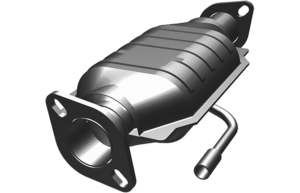
The Financial Toll: Counting the Costs of Catalytic Converter Theft
The aftermath of a catalytic converter theft extends far beyond the immediate shock and inconvenience, as victims find themselves grappling with a substantial financial toll.
Cost of Replacement: The most immediate expense is the cost of replacement. The expense of acquiring a new catalytic converter, coupled with installation costs, can range from hundreds to thousands of dollars depending on the vehicle. Approximate price ranges:
- Standard Aftermarket Converters: $100 to $500
- OEM (Original Equipment Manufacturer) Converters: $300 to $1,000 or more
- High-Performance or Specialty Converters: $500 to $2,500 or more
Insurance Premiums and Deductibles: Filing a claim can lead to increased insurance premiums over an extended period. Additionally, policy deductibles contribute to the out-of-pocket costs borne by the victim.
Loss of Use and Productivity: During the time a vehicle remains inoperable, owners may incur indirect costs associated with missed workdays, canceled appointments, and decreased productivity.
Increased Vulnerability to Subsequent Thefts: Once targeted, victims may become more susceptible to future thefts. Criminals often recognize that a previously stolen converter has been replaced, potentially leading to repeat offenses.
Community Impact: Businesses relying on a fleet of vehicles may face operational disruptions and increased costs. Neighborhoods experiencing a surge in thefts may witness a decline in property values and a heightened sense of insecurity.
Safeguarding Your Vehicle: 10 Tips for Prevention
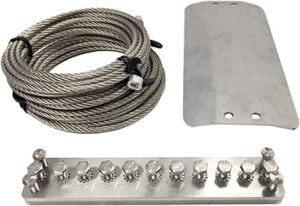
1. Catalytic Converter Protection Devices: Install shields, cages, or clamps designed to deter thieves. These physical barriers make it more challenging for criminals to access and remove the converter quickly.
2. Park in Well-Lit Areas: Thieves are less likely to target vehicles in locations with high visibility, reducing the likelihood of undetected theft.
3. Utilize Secure Parking Facilities: Opt for parking facilities with surveillance cameras and controlled access. Garage parking or monitored lots add an extra layer of security.
4. Engrave Your VIN: Engrave your vehicle identification number onto the catalytic converter. This makes it easier for law enforcement to trace stolen converters and may act as a deterrent.
5. Install Motion-Activated Lights: Motion-activated lights can startle potential thieves and draw attention to suspicious activity around your vehicle.
6. Consider Catalytic Converter Marking Systems: Some marking systems apply a unique identifier to the catalytic converter, making it easier to trace and identify stolen units.
7. Work with Your Mechanic: Consult with your mechanic about installing anti-theft devices or reinforcing the mounting of the catalytic converter.
8. Community Awareness: Share information about recent incidents and preventive measures, and encourage neighbors to be vigilant and report suspicious activity.
9. Invest in Security Cameras: Visible cameras act as a deterrent and provide valuable evidence in the event of a theft.
10. Be Cautious of Unusually Low Repair Offers: Thieves may pose as mechanics offering inexpensive replacements, only to steal the new converter shortly after installation.
Conclusion
As catalytic converter theft continues to pose a prevalent threat to vehicle owners, navigating the road to security becomes paramount. From protection devices to strategic parking choices, the arsenal of defenses against theft is diverse. Being proactive, informed, and community-minded empowers individuals to fortify their vehicles and collectively curb the escalating tide of this criminal activity.
The financial toll extends beyond replacement costs, impacting individuals, communities, and businesses alike. By embracing protective measures and fostering community awareness, we can diminish the appeal of stolen converters in the eyes of would-be thieves.